





































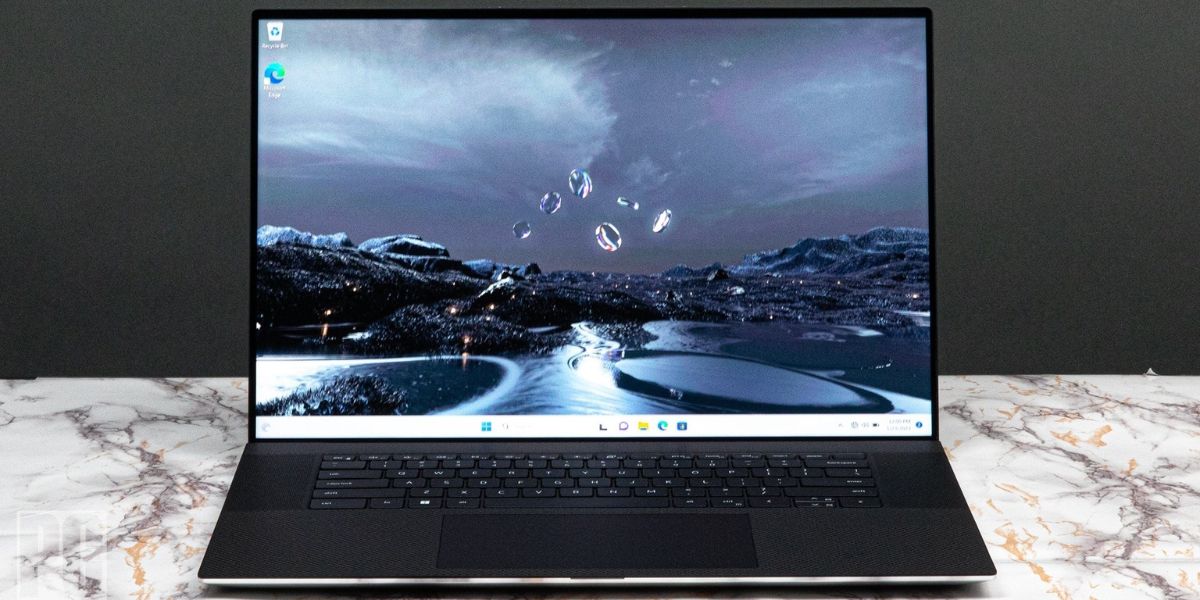
Choosing the best laptops for engineering students is more important than ever in 2025. Whether you’re dealing with AutoCAD designs, simulations in ANSYS, or writing code in MATLAB or Python, your laptop needs to be capable, durable, and student-budget-friendly. The market is full of options, but not every device is a fit for engineering needs.
In this guide, you’ll find laptops suitable for every engineering stream, from mechanical to computer science, covering budget and premium picks, must-have features, and frequently asked questions.
Table of Contents
Best Laptops for Engineering Students 2025
Choosing the right laptop is crucial for engineering students who need reliable performance for software like AutoCAD, MATLAB, SolidWorks, and coding tools. In 2025, laptops with powerful CPUs, dedicated GPUs, good battery life, and portability stand out as the best options.
-
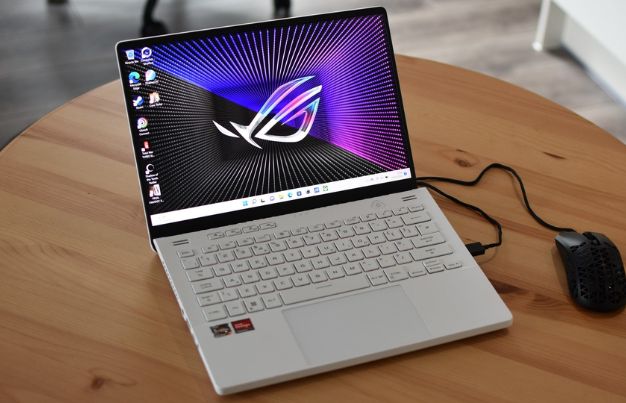
Asus ROG Zephyrus G14 (2025 Edition)
Features:
- AMD Ryzen 9 7945HX processor
- NVIDIA GeForce RTX 4060 GPU
- 16 GB RAM (upgradable)
- 1 TB SSD
- 14″ QHD+ 165 Hz screen
- Up to 10 hours battery
- Light at 1.7 kg
Price: ₹1,82,990
The Asus ROG Zephyrus G14 (2025 Edition) is built for serious engineering students who need reliable performance without sacrificing portability. With the powerful Ryzen 9 7945HX and RTX 4060 GPU, it handles CAD modeling, 3D rendering, simulations, and programming environments like MATLAB and AutoCAD with ease. The 165 Hz QHD+ display ensures smoother visuals while working on design tasks, and its compact 14-inch form factor makes it easy to carry across campus. Whether you’re multitasking with large data sets or running GPU-intensive software, the Zephyrus G14 keeps up efficiently thanks to its high-speed SSD and upgradable RAM.
Price: ₹48,000
-
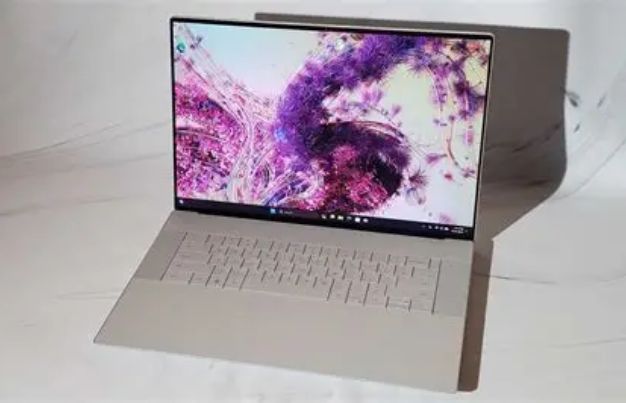
Dell XPS 16 (9640, 2025)
Features:
- Intel Core Ultra 7 155H
- NVIDIA RTX 4070 GPU
- 32 GB DDR5 RAM
- 1 TB SSD
- 16.3″ OLED 4K+ screen
- Up to 11 hours battery
- Premium design (~2.1 kg)
Price: ₹4,14,045
The Dell XPS 16 (2025) stands out with its elegant design and powerful internals, making it ideal for engineering students who prioritize both performance and style. With the Core Ultra 7 CPU and RTX 4070 GPU, it’s capable of handling advanced design software, simulations, and heavy multitasking. Its ultra-vivid 4K+ OLED display provides precise visuals perfect for CAD and media work. Though slightly heavier, the solid battery life, premium build quality, and strong thermal control make it a reliable laptop for long-term academic and professional use.
-
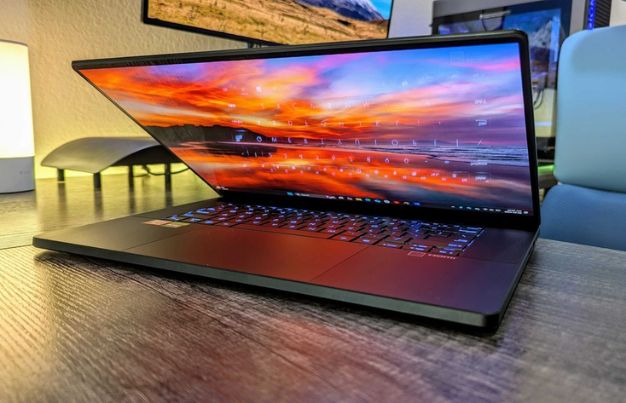
Asus ProArt P16 (2025)
Features:
- AMD Ryzen AI 9 HX370
- NVIDIA RTX 4070
- Up to 64 GB RAM
- 2 TB SSD
- 16″ 4K OLED touchscreen
- ~10 hours battery
Price: ₹1,99,990
The Asus ProArt P16 is designed for design-heavy engineering students like those in civil, mechanical, or electrical streams. Featuring the Ryzen AI 9 HX370 and RTX 4070 GPU, this laptop is tailored for graphics-intensive tasks such as 3D simulations and rendering. The 4K OLED touchscreen enhances precision when working on models and visual projects. Its massive RAM and storage capacity mean you won’t run into speed or space issues anytime soon. This laptop is a workstation replacement for students who want a portable powerhouse.
-
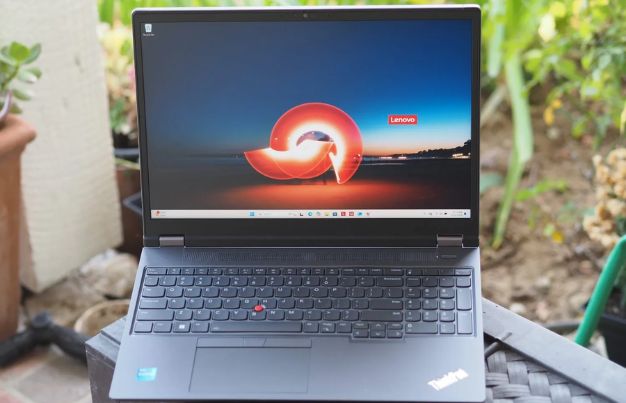
Lenovo ThinkPad P16 Gen 2
Features:
- Intel Core i9 13th Gen
- NVIDIA RTX 5000 GPU
- Up to 96 GB RAM
- 4 TB SSD
- 16″ QHD/4K display
- Certified for engineering software
Price: ₹6,35,000
The Lenovo ThinkPad P16 Gen 2 is a mobile workstation tailored for students using software like SolidWorks, CATIA, or ANSYS. With a Core i9 CPU and RTX 5000 GPU, it delivers high-end workstation performance in a rugged design. The certification for professional-grade software ensures optimal compatibility and performance. It’s ideal for students in aerospace, mechanical, or architecture streams needing peak computing power. Though bulky, its reliability and customization potential make it a go-to for demanding academic projects.
-
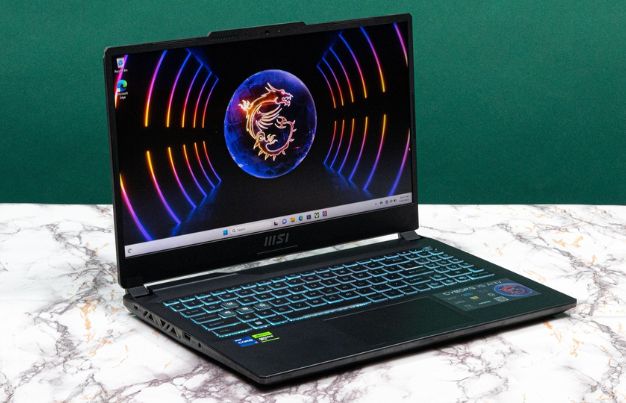
MSI Cyborg 15 (2025 Budget Pick)
Features:
- Intel Core i7 / Ryzen 7
- NVIDIA RTX 4050 / 4060
- 16 GB RAM
- 1 TB SSD
- 15.6″ Full HD / QHD
- Gamer-grade cooling
Price: ₹1,07,899
The MSI Cyborg 15 is a great value laptop for students needing performance on a budget. It delivers strong multitasking and graphical capabilities for engineering apps like Revit, MATLAB, and Blender. With gaming-grade cooling and durable build quality, it can withstand prolonged workloads without overheating. The RTX 4050/4060 ensures smooth graphics processing, while the large SSD supports faster file transfers and application loading. It’s a dependable option for students who want affordable performance.
-
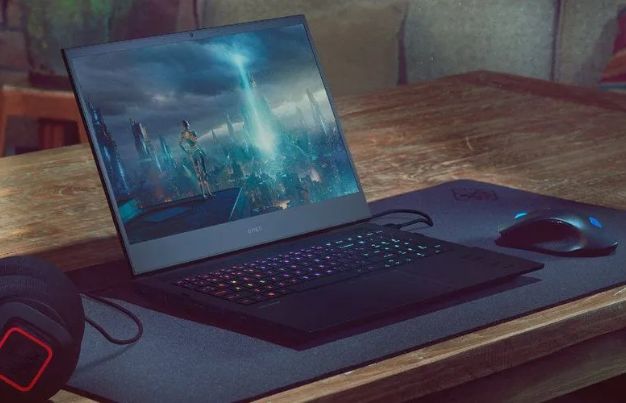
HP Omen 16 (2025)
Features:
- AMD Ryzen 9 7940HS
- NVIDIA RTX 4070
- 32 GB RAM
- 1 TB SSD
- 16.1″ QHD display
- 240Hz refresh rate
Price: ₹3,09,999
Built with performance in mind, the HP Omen 16 is perfect for heavy-duty simulation, coding, and rendering. The combination of Ryzen 9 and RTX 4070 ensures seamless processing for software like AutoCAD, Fusion 360, and Unreal Engine. The high refresh display improves clarity when working on design visuals or animations. It’s also well-ventilated, minimizing thermal throttling during long hours of work or gaming.
-
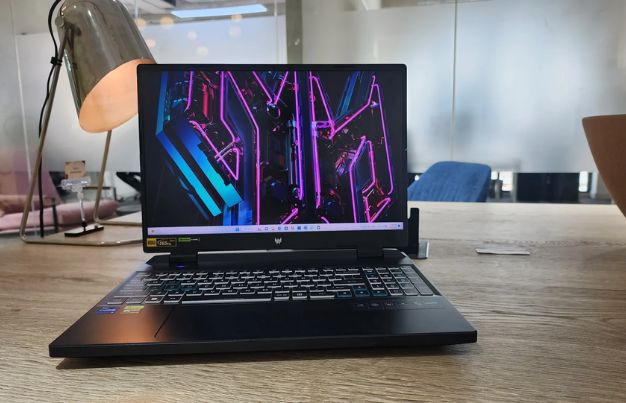
Acer Predator Helios Neo 16 (2025)
Features:
- Intel Core i7-14700HX
- NVIDIA RTX 4060 GPU
- 16 GB DDR5 RAM
- 1 TB SSD
- 16″ QHD+ 240Hz display
Price: ₹1,49,990
For students who want reliable performance without breaking the bank, the Helios Neo 16 offers great balance. It’s packed with enough power to run any engineering workload, including 3D rendering and real-time simulations. The fast 240Hz display aids smooth workflow, especially when dealing with large CAD files. Plus, the build quality and cooling setup make it last through long work sessions.
-
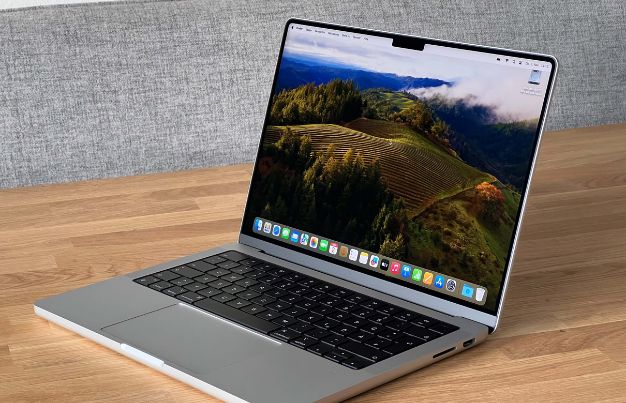
Apple MacBook Pro 14 (M3 Pro, 2025)
Features:
- Apple M3 Pro chip
- 18 GB unified memory
- 512 GB SSD (configurable)
- 14″ Liquid Retina XDR
- Up to 17 hours battery
Price: ₹1,39,900
For engineering students focused on macOS-based tools or software development, the MacBook Pro 14 with M3 Pro offers speed, excellent thermal efficiency, and unmatched battery life. Though some Windows-exclusive apps won’t work natively, it’s great for programming, circuit simulation, and algorithm testing. The build quality, display, and overall smooth experience make it a worthy pick for specific use cases in engineering.
-
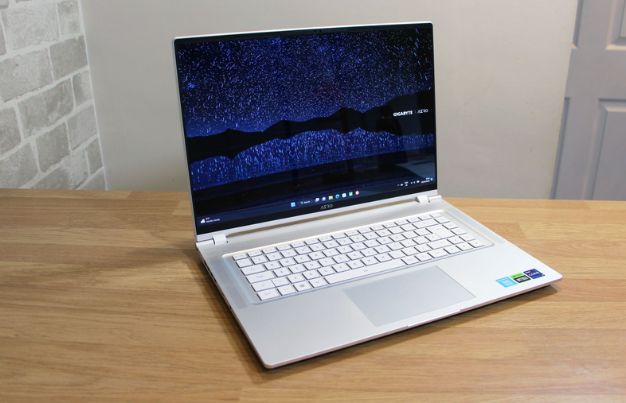
Gigabyte AERO 16 OLED (2025)
Features:
- Intel Core i9-13980HX
- NVIDIA RTX 4070
- 32 GB DDR5 RAM
- 2 TB SSD
- 16″ 4K OLED display
Price: ₹2,70,000
The AERO 16 OLED is a creative powerhouse ideal for students in fields that require high color accuracy and processing power. The 4K OLED display is factory calibrated, making it suitable for design, graphics, and detailed CAD modeling. Backed by high-end specs and a premium look, this laptop delivers both aesthetics and engineering-grade performance.
-
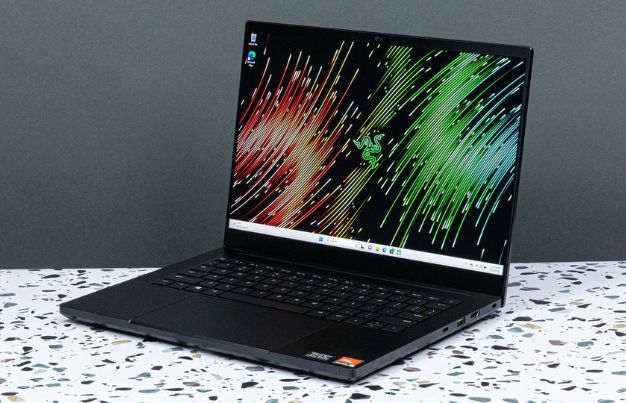
Razer Blade 16 (2025)
Features:
- Intel Core i9 14900HX
- NVIDIA RTX 4080
- 32 GB DDR5 RAM
- 1 TB SSD
- 16″ dual-mode Mini-LED display (UHD+ / FHD+ @240Hz)
Price: ₹3,80,000
If you’re looking for cutting-edge specs and futureproof design, the Razer Blade 16 delivers. It runs any engineering workload effortlessly, including simulation software, rendering engines, and game development platforms. The dual-mode Mini-LED display allows for creative flexibility, and the aluminum chassis gives it a premium, solid build. It’s more expensive, but it’s built to last through your entire course and beyond.
Best Laptops for Engineering Students Under ₹50,000
Finding the best laptops for engineering students under ₹50,000 is challenging, but a few options deliver good value for money, especially for first-year students or those working on basic-level software.
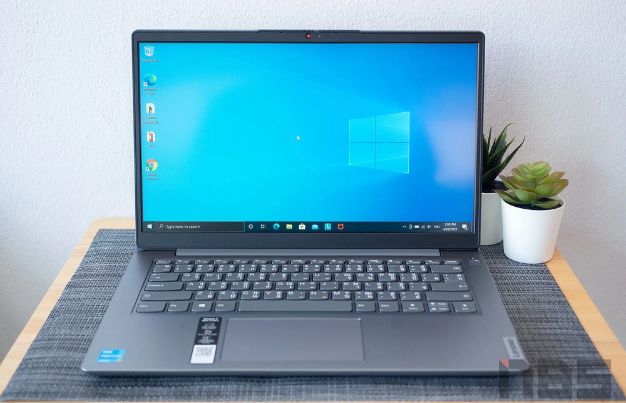
1. Lenovo IdeaPad Slim 3 (Ryzen 5 5500U)
- Ryzen 5 5500U Processor
- 8 GB RAM, 512 GB SSD
- Integrated Radeon Graphics
- 15.6″ Full HD Display
Price: ₹43,990–45,417
Good for basic engineering needs like coding, document work, and light simulation tasks. Great battery life and decent display make it a top pick in this budget.
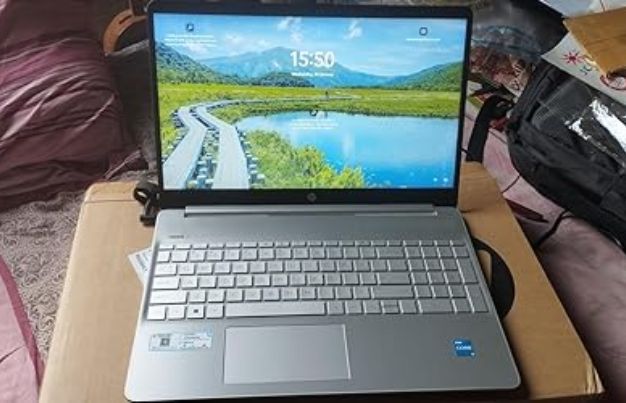
2. HP 15s (Intel i3 12th Gen)
- Intel Core i3-1215U
- 8 GB RAM, 512 GB SSD
- Intel UHD Graphics
- 15.6″ Full HD display
Price: ₹33,990–35,990
Great for programming, reports, and moderate multitasking. It’s thin, lightweight, and well-optimized for battery life.
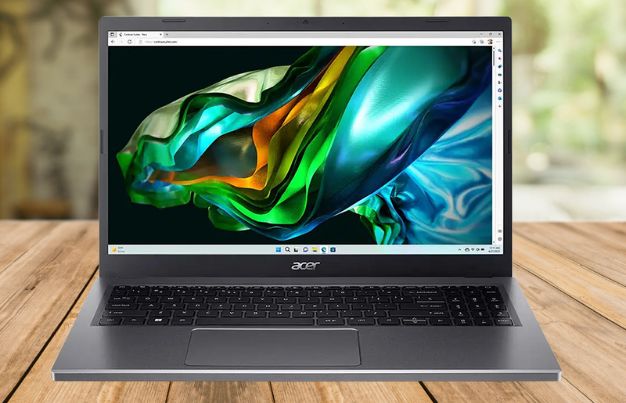
3. Acer Aspire Lite AL15
- Ryzen 5 5500U
- 16 GB RAM, 512 GB SSD
- Vega Graphics
- 15.6″ Full HD display
Price: ₹34,499
Comes with more RAM than competitors. Ideal for students running light CAD or simulation tools with slightly more multitasking power.
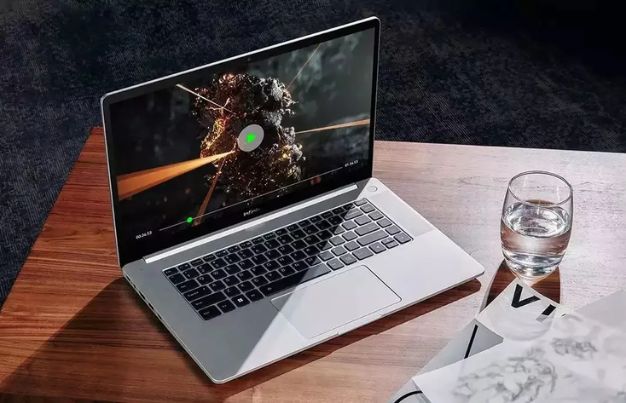
4. Infinix Zero Book
- Intel Core i5 11th Gen
- 16 GB RAM, 512 GB SSD
- Integrated Graphics
Price: ₹40,990
Metallic design, great keyboard, decent battery life. Performs well for college-level tasks and some heavy workloads.
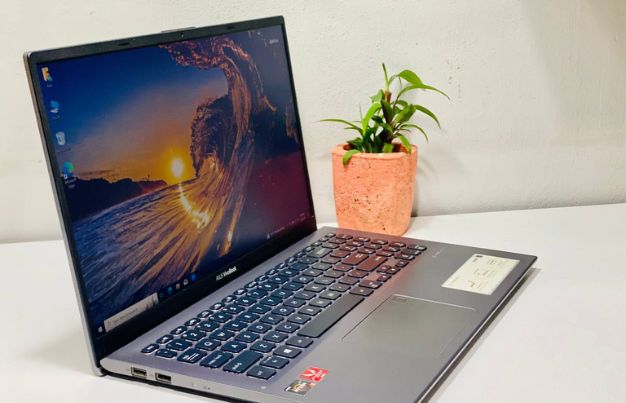
5. ASUS VivoBook 15 (2023)
- AMD Ryzen 5 5500U
- 8 GB RAM, 512 GB SSD
- Integrated Vega 7 GPU
Price: ₹31,490–39,151
Good build quality with a clear display. It’s suitable for multitasking, coding, and everyday student workloads.
What are the Best Laptops for Engineering Students Under ₹30,000
These are basic laptops, best suited for entry-level programming, online learning, report writing, and light use. Not ideal for CAD or simulation tasks.
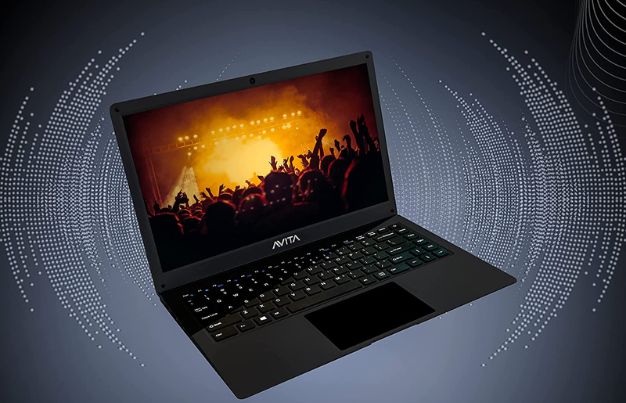
1. Avita Satus Ultimus
- Intel Celeron N4020
- 4 GB RAM, 128 GB SSD
Price: ₹12,990
Affordable pick for note-taking, online classes, and basic programming.
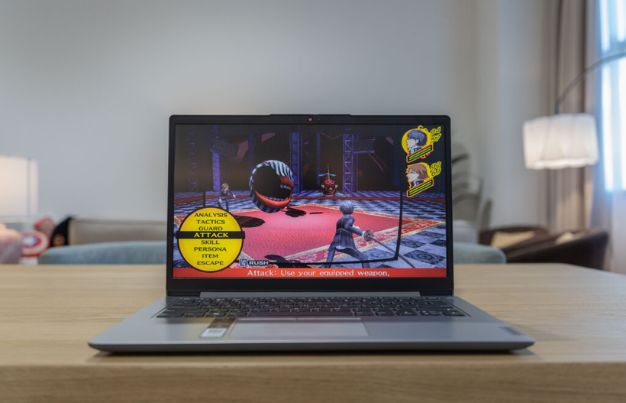
2. Lenovo IdeaPad 1
- AMD Athlon Silver 3050e
- 4 GB RAM, 256 GB SSD
Price: ₹27,999,
Lightweight and good battery backup. Suitable for basic academic tasks.
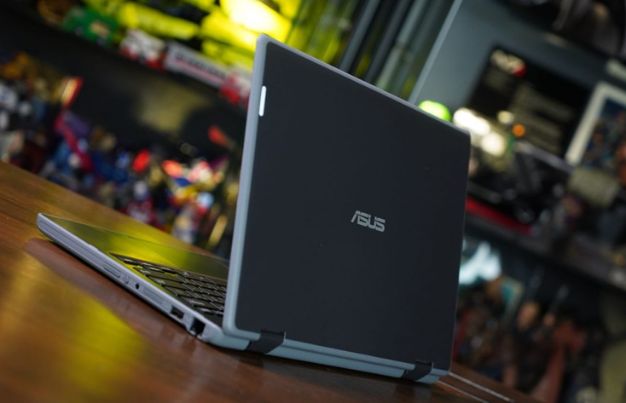
3. Asus BR1100
- Intel Celeron N4500
- 4 GB RAM, 128 GB eMMC
Price: ₹24,999
Military-grade durability. Ideal for rough use and young engineering students.
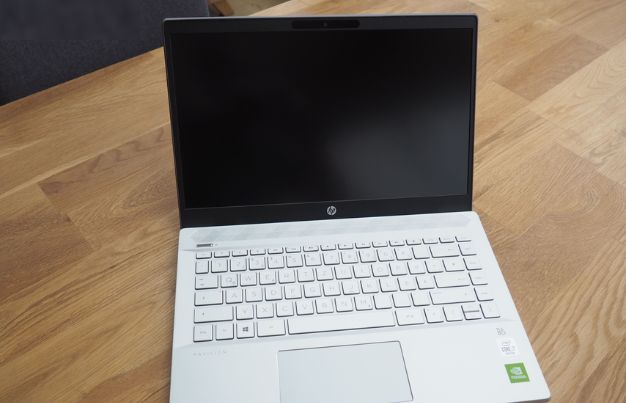
4. HP Chromebook 14a
- Intel Celeron N4020
- 4 GB RAM, 64 GB eMMC
Price: ₹18,490
Best for online tools and Google Workspace. Not suited for offline software.
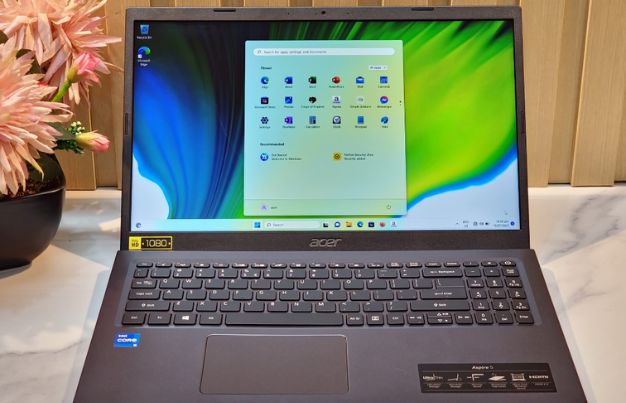
5. Acer One 14
- Intel Pentium Silver N5030
- 4 GB RAM, 256 GB SSD
Price: ₹23,990
Good for office tasks, lightweight programming, and document creation.
What to Look for in a Laptop for Engineering Students
Before you decide, here are the essentials that matter for engineering:
- Processor: Aim for Intel i5/i7 (11th gen or newer) or AMD Ryzen 5/7 for smooth multitasking.
- RAM: Minimum 8 GB. 16 GB or more is better for simulations or multitasking.
- Storage: Go for SSDs — at least 512 GB for faster boot times and app loading.
- Graphics: A dedicated GPU (like NVIDIA GTX/RTX) is useful for CAD or 3D modeling.
- Battery: Long battery life helps during lectures or lab sessions.
- Display: Full HD (1080p) is the minimum. IPS panels are better for color accuracy.
- Weight & Build: Lighter models are easier to carry to classes and labs.
Wrapping Up
Choosing the best laptops for engineering students in 2025 depends on your stream, budget, and software requirements. Whether you’re running simulations, working on CAD models, or coding in Python or MATLAB, the right laptop will save time and improve productivity. Prioritize a strong processor, SSD storage, and enough RAM. If you’re into graphics-heavy work, a dedicated GPU is a smart choice. Lightweight and long battery life laptops also make a big difference during long college days. No matter your budget under ₹30,000 or over ₹1,00,000 this guide will help you find a laptop that meets your academic and project needs.
Frequently Asked Questions (FAQs)
Q1. Which laptop brand is best for engineering students?
Brands like ASUS, Dell, HP, Lenovo, and Apple offer reliable models for engineering, depending on your budget and software needs.
Q2. Is a gaming laptop good for engineering?
Yes, many gaming laptops with dedicated GPUs are excellent for running engineering software like AutoCAD, SolidWorks, and MATLAB.
Q3. How much RAM is enough for an engineering student?
A minimum of 8 GB is required, but 16 GB is recommended for smooth multitasking and running heavy applications.
Q4. Do I need a dedicated graphics card for engineering?
For 3D modeling, simulations, or game development, a dedicated GPU (like NVIDIA RTX series) is highly recommended.
Q5. Can I use a MacBook for engineering studies?
Yes, especially for software development. But if your course relies on Windows-based apps like SolidWorks or AutoCAD, a Windows laptop might be more compatible.


